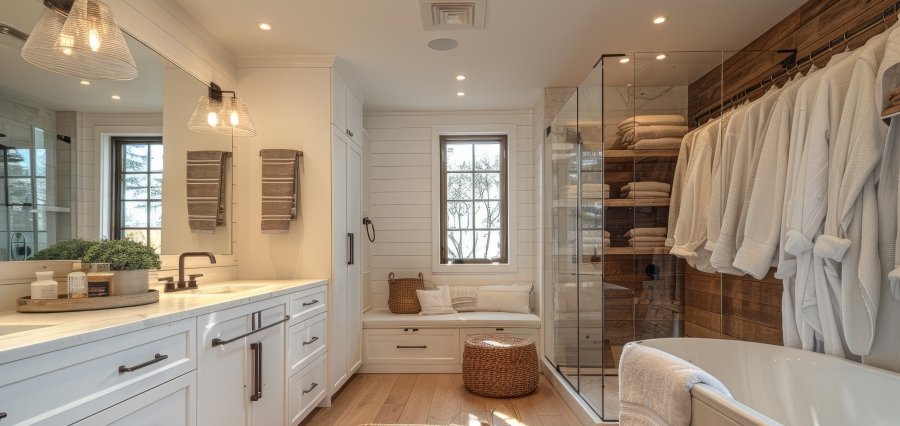
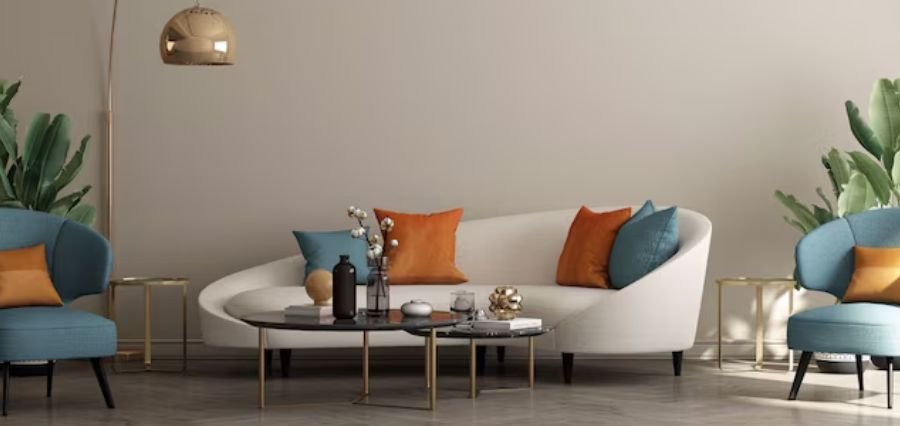
Incorporating sustainable and minimal materials into home decor and design offers a multitude of benefits, ranging from reducing environmental impact to enhancing indoor air quality and maximizing natural light. This trend towards sustainability and minimalism is not merely about aesthetics but also about creating healthier, more efficient, and eco-friendly living spaces. Experts like Tushar Joshi, founder of Utkarsh Vastukarn, and Nikita Mohan, founder of Vilasa Luxury Living, highlight how these materials can bring about significant improvements in home design.
- Reduced Environmental Impact: Tushar Joshi emphasizes the environmental benefits of using sustainable materials. According to him, “Eco-friendly materials reduce waste, conserve resources, and minimize harm to the environment.” Choosing renewable materials with a lower carbon footprint can substantially reduce the overall environmental impact of home construction and renovation projects.
- Simplified Aesthetic: Joshi also notes how minimal materials contribute to a streamlined visual style. He explains, “Minimal materials often result in a simpler, more streamlined aesthetic.” This approach not only declutters the space but also fosters a calming and organized environment, enhancing visual appeal.
- Increased Functionality: Sustainable design prioritizes functionality, as Joshi underscores. “Sustainable design emphasizes functionality, making spaces more efficient and purposeful,” he observes. This focus ensures that every aspect of the home serves a practical purpose, thereby enhancing usability.
- Improved Indoor Air Quality: Eco-friendly materials play a crucial role in improving indoor air quality. Joshi points out, “Eco-friendly materials reduce harmful chemicals and toxins, creating a healthier indoor environment.” This is essential for maintaining a living space free from pollutants and allergens, benefiting the well-being of occupants.
- Unique, Reclaimed Designs: Repurposed materials, such as reclaimed wood, add character and history to home decor. Joshi highlights, “Reclaimed materials add a unique charm to a space and contribute to sustainability by reusing existing resources.” These materials not only tell a story but also promote a more sustainable approach to interior design.
- Timeless Appeal: Nikita Mohan emphasizes the timeless quality of sustainable design. “Sustainable design focuses on longevity, creating spaces that remain beautiful and functional over time,” she states. This approach reduces the need for frequent updates or renovations, thereby conserving resources and minimizing waste.
- Reduced Maintenance: Mohan notes the durability of sustainable materials, which often require less upkeep and maintenance. “Durable, sustainable materials can significantly reduce maintenance efforts and expenses over time,” she remarks, making them a practical choice for homeowners seeking long-term value.
- Cost-Effectiveness: Despite potentially higher initial costs, Mohan points out the long-term financial benefits of sustainable materials. “Sustainable materials can be cost-effective in the long run, as they reduce waste and have extended lifespans,” she explains. This makes them a prudent investment for budget-conscious homeowners.
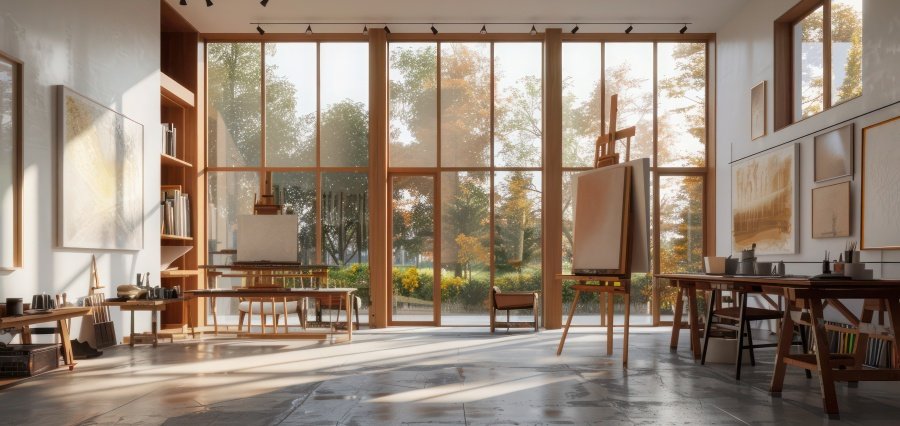
- Increased Natural Light: Both Joshi and Mohan agree on the importance of natural light in minimal design. Mohan highlights, “Minimal designs often incorporate larger windows to maximize natural light and reduce reliance on artificial lighting.” This not only lowers energy consumption but also creates a brighter, more inviting atmosphere.
- Holistic Well-Being: Finally, sustainable design prioritizes the well-being of occupants. Mohan emphasizes, “Sustainable design creates spaces that promote holistic well-being by focusing on health, comfort, and environmental impact.” This approach enhances overall quality of life for residents, aligning aesthetics with sustainability.
By integrating these principles into home decor and design, homeowners can create spaces that are aesthetically pleasing, environmentally responsible, and conducive to well-being.
Read More: https://homendecorindia.com/